






































































































































































When it comes to purchasing watches, one common consideration is their water resistance. You may have come across terms like "water-resistant" and "waterproof" but may not fully understand their meanings. In this blog post, we will delve into the difference between water-resistant and waterproof watches, helping you make an informed decision when selecting a timepiece that suits your needs.

I: What Does Water-Resistant Mean?
Water-resistant watches are designed to withstand exposure to water to a certain extent. However, it is important to note that water resistance is not a guarantee that the watch will be completely impervious to water. The level of water resistance is measured in meters or atmospheres (ATM), indicating the pressure the watch can withstand underwater.
II: Understanding Waterproof Watches
Contrary to popular belief, there is no such thing as a truly "waterproof" watch. Instead, watches that claim to be waterproof are typically highly water-resistant. These watches are engineered to provide superior protection against water ingress and are suitable for various water activities.
III: Water Resistance RatingTo help consumers understand the level of water resistance, watches are typically labeled with specific water resistance ratings. Common ratings include:
Water-resistant (30 meters / 3 ATM): These watches can withstand splashes and brief immersion in water, such as accidental rain exposure or handwashing.
Water-resistant (50 meters / 5 ATM): Suitable for recreational swimming, these watches can handle light water activities but should not be worn during diving or snorkeling.
Water-resistant (100 meters / 10 ATM): These watches are suitable for swimming, snorkeling, and water sports but are not recommended for scuba diving.
Diver's watches (200 meters / 20 ATM or more): Specifically designed for scuba diving, these watches provide a higher level of water resistance and can withstand increased pressure at greater depths.
IV: Proper Care for Water-Resistant WatchesTo maintain the water resistance of your watch, it is important to follow a few guidelines:
Avoid exposing the watch to extreme temperatures or rapid temperature changes.
Ensure that the crown and any pushers are securely screwed or pushed in to maintain the watch's water resistance.
Rinse the watch with fresh water after exposure to saltwater or chlorine.
Have the watch's water resistance checked periodically by a professional watchmaker.
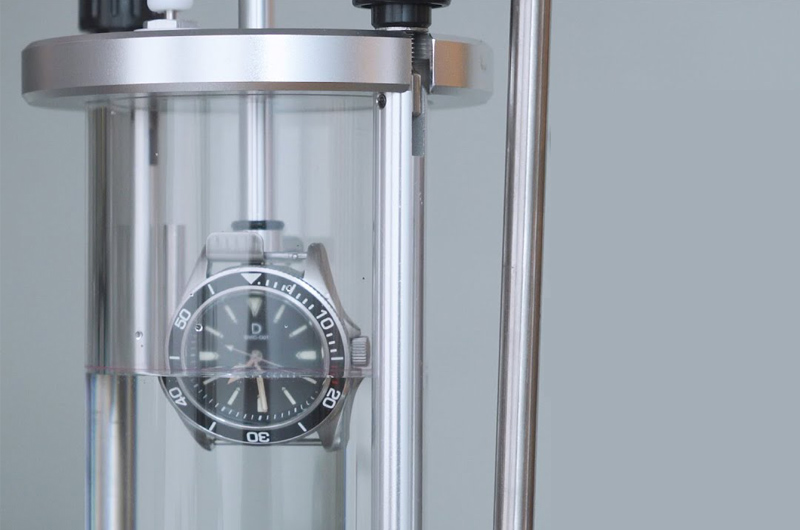
Understanding the difference between water-resistant and waterproof watches is essential for choosing a timepiece that suits your lifestyle and water-related activities. Remember to consider the water resistance rating and follow proper care guidelines to ensure the longevity of your watch.
Leave a Comment